

Big wheels spinning under neon have always pulled a crowd, and the wheel of fortune casino game strategy conversation has grown louder as more Aussies log on from the couch after a long arvo. This assessment is built around what a wheel actually rewards, what it doesn’t, and how a finance-minded approach can turn a game of chance into a session you can govern. Casual players, sharp ones, and the curious in between should all find something here.
The Wheel Itself – Format, Variants and What “Strategy” Really Means

The classic wheel of fortune casino game is a vertical wheel studded with numbered segments – usually 1, 5, 10, 20 and 40 plus a couple of multiplier slices – and a flapper that picks the winner each spin. Bets land on numbers, colours or odd/even, and payouts scale with the segment’s risk weight. There is no skill in the spin itself, so a real wheel of fortune casino game strategy starts before the wheel turns: pick the variant, set the unit size, decide the exit rule.
Live-dealer wheels from Evolution and Pragmatic Play dominate the Australian market. Dream Catcher is the clean baseline at around 96% RTP, Crazy Time layers in four bonus games with multiplier ceilings that can crack 10,000x, Monopoly Live attaches a 3D board, and Sweet Bonanza Candyland swaps the money wheel for a candy theme. Like baccarat – and yes, the French crystal house Baccarat shares that name, though the card game came first – the wheel format sits in a high-gloss, low-decision bracket that rewards patience more than cleverness.
Players who enjoy the wheel but want a different rhythm between spins often pivot to a fishing-themed slot like big-bass-amazon-extreme-au.com, which keeps the session moving.
Bankroll Discipline – The Only Edge a Wheel Player Can Build
Strategy on a wheel of fortune casino game lives almost entirely in money management, and this is where a finance lens earns its keep. The spin is the equivalent of a fixed-cost transaction with a known negative variance – every bet has a built-in house margin, the outcome is random, and the only controllable input is how much you commit per round. That framing is straight out of any FP&A playbook: when unit economics are unfavourable, optimisation moves to volume, mix, and limits.
The rules that hold up under variance pressure are simple, and they don’t change between variants:
- Session bankroll: 1-2% of your total entertainment budget, capped hard.
- Unit size: 1/100 of session bankroll, so a $200 session runs $2 units.
- Stop-loss: 30% of session bankroll. Hit it, leave, no debate.
- Win cap: 50% of session bankroll. Lock half, keep half rolling.
- Bonus chasing: avoid – the EV drop on multiplier slots is the single biggest leak.
Players who skip this scaffolding and just feel their way through are, in commercial terms, running an unmanaged P&L – and the variance always catches up.
Bonuses, Promos and the Real Cost of “Free” Spins
The bonus economy looks generous on the surface, but most live wheel games contribute only 10-20% to wagering – some count zero. A 100% deposit match at 10% contribution needs ten times the wheel turnover to clear, with the house edge compounding the whole way. Cashback trims the loss rate per spin regardless of contribution weight; free spin offers are usually slot-only; tournament leaderboards reward per-bet volume. A wheel of fortune casino game strategy that ignores the contribution table is, bluntly, one that subsidises the house.
Evie Patel, Marketing Director at Laneway Interactive Media, frames it neatly: “Wheel games are great for entertainment value, but they’re a poor vehicle for clearing bonus cash. Players who mix formats and read the contribution table get further, faster.”
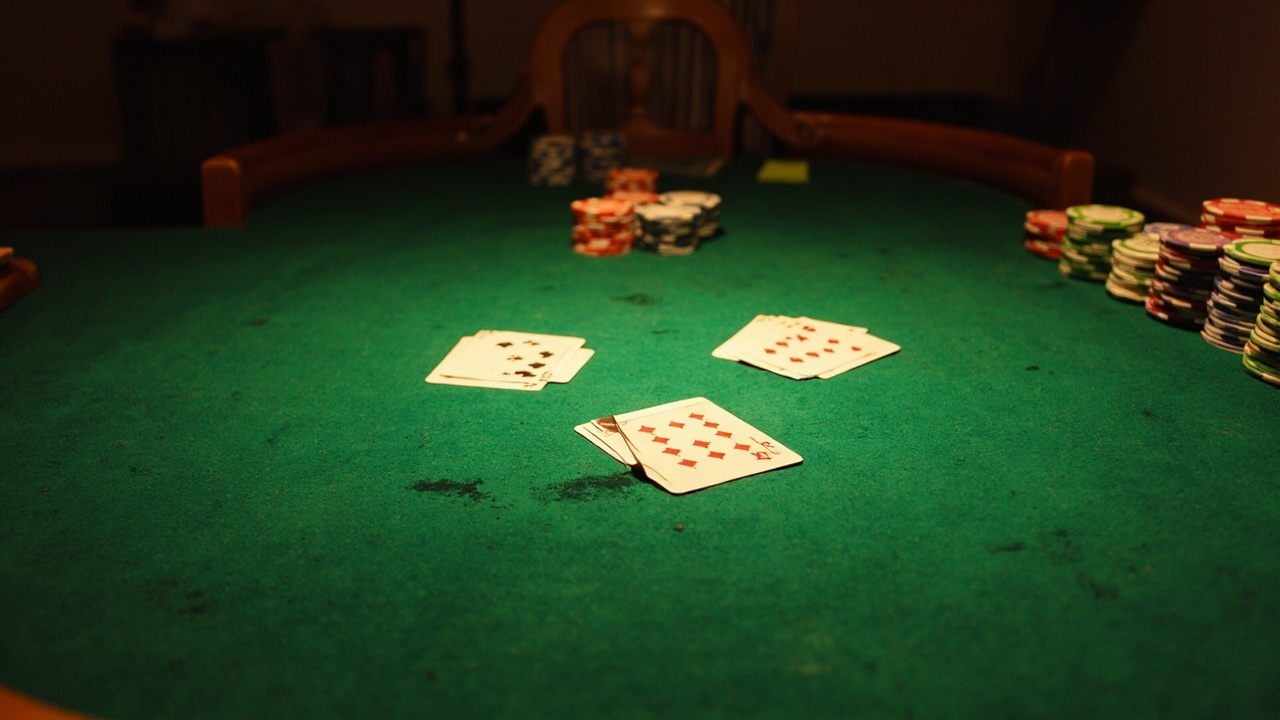
The table below shows how bonus value erodes at different contribution rates, assuming a $200 deposit, a 100% match, and a 4% house edge on qualifying play.
| Wagering Contribution | Turnover Required | Net Bonus Value |
|---|---|---|
| 100% | $2,000 | $120 |
| 50% | $4,000 | $40 |
| 20% | $10,000 | −$200 |
| 0% | N/A | $0 |
It’s a small footnote, but casino chip collecting (casinochipophily) is a recognised hobby with dedicated clubs, and the limited-run tokens at branded wheel tables are the kind of chips collectors quietly prize.
Who the Wheel Suits – A Verdict for Australian Players
The wheel of fortune format is an entertainment product with a fixed margin. It suits players who treat it that way; it does not suit anyone hunting bonus value or grinding out an edge. Andrew Murray, Responsible Gambling Adviser at Harbour Bet Insights, draws the line: “If the session runs longer than your evening budget allows, the wheel has already won. Set the cap before you open the lobby.”
For shift workers in Newcastle and families around Wollongong, balancing family and play is a real constraint, and the same disciplined structure that a piece on family-friendly casino ozwinbonus.org habits champions is the one that protects the budget long term. A 30-minute session with a hard stop beats a three-hour drift every time.
The verdict: wheel of fortune casino game strategy is really session strategy with a money-wheel wrapper. Reckon on the format for what it is, and it plays to its strengths. Strong fit for low-effort, time-boxed play; weak fit for bonus hunters and high-stakes grinders.
The wheel of fortune casino game is best read as an entertainment product, not a profit system. Set a session bankroll, hold the unit size, walk at the stop-loss, and treat any bonus as a side benefit, not the main game. For Aussie players with a tight weekly budget, that’s the version of the format that pays back – in time, not in dollars. If the cap is hit early, no worries – that’s the system working as designed.