



We sit down at a slot machine or open a table game carrying the same quiet hope: to be handled fairly over time. That fairness is not gauged by a single spin or a lucky hand, but by something far more structural: the payout percentage. After years observing players go after the wrong signals (flashy graphics, generous welcome offers) while the number that shapes every session goes unnoticed, we’ve learned that comprehending what differentiates a genuinely strong payout percentage from a mediocre one shifts where we play, what we play, and how long our bankroll lasts.
Grasping the Math Behind Return to Player
Return to Player, or RTP, expresses the expected percentage of total wagers a game pays back to players over an prolonged cycle. If a slot features a 96% RTP, the model calculates that for every 100 euros wagered, 96 euros are returned as winnings across millions of spins. The other 4 euros represent the house edge that supports the platform, software development, and regulatory oversight. But remember: this calculation works across millions of rounds, not one session. One evening’s results can vary significantly above or below that figure. Short-term results show almost nothing about a game’s fairness.
Independent testing laboratories such as eCOGRA, iTech Labs, and GLI conduct billions of simulated rounds to verify that a game’s random number generator matches its declared RTP. These audits rigorously test the software under conditions created to reveal any deviation, so a certification badge represents validated numbers from a third party with no financial stake. Different game categories also function under fundamentally different RTP structures. Slots commonly range from 92% to 98%, while European roulette offers a 97.3% RTP and blackjack with perfect basic strategy can surpass 99.5%. Understanding these structural differences enables us allocate our playing time more strategically across a casino’s game library.
Game Categories and Their Distinct Payout Profiles
Video Slots and Progressive Jackpots
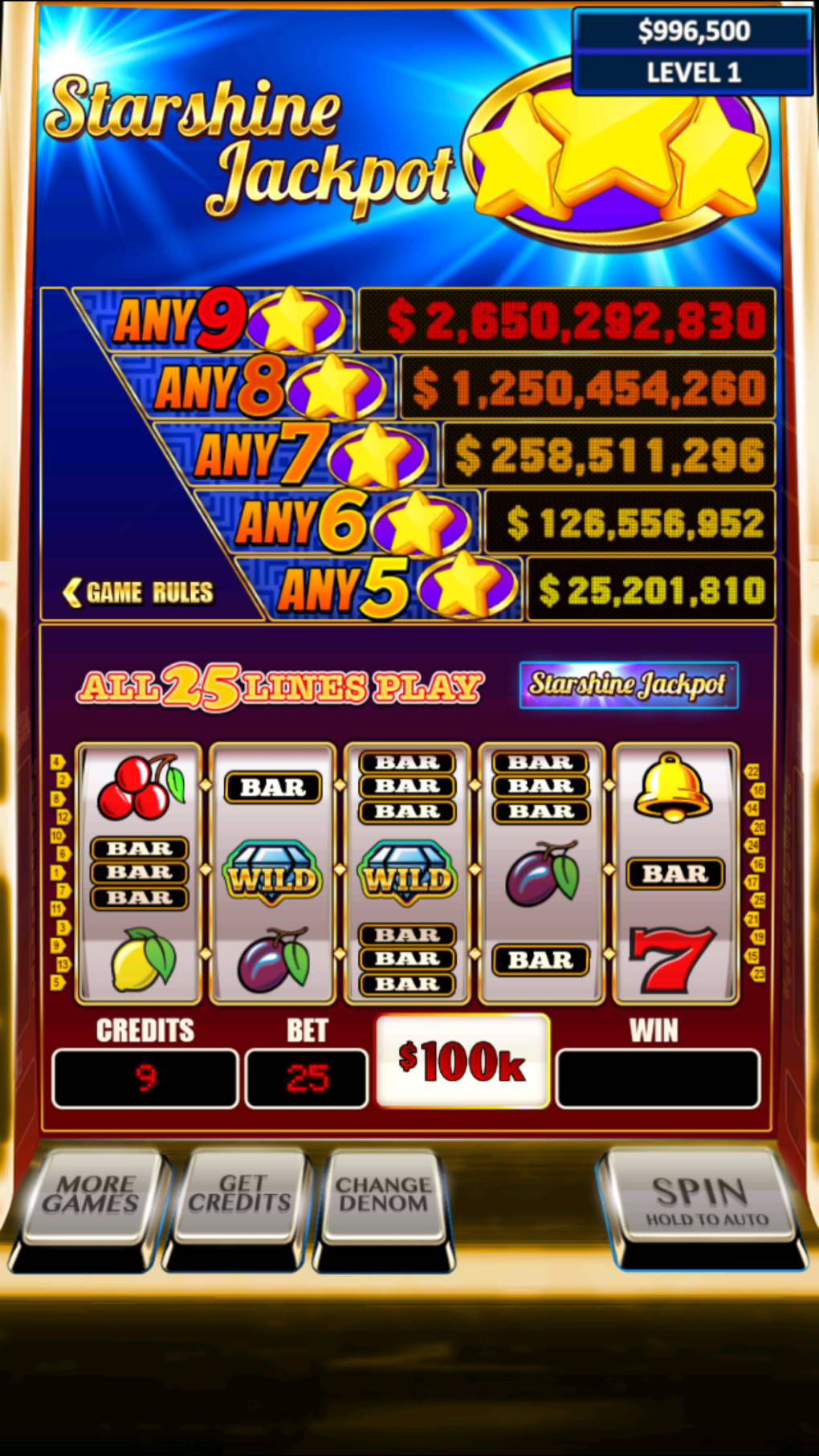
Slot games dominate every online casino lobby, and their payout profiles encompass a wider range than any other category. Standard three-reel slots often range between 94% and 96% RTP, while modern video slots with advanced bonus mechanics go into the 96% to 97.5% range. Higher RTP usually brings higher volatility, meaning longer dry spells broken by larger wins. Low variance slots with average RTP around 95% tend to deliver more frequent but smaller payouts, which can fit players who prefer extended session time over the chance of a major hit.
Progressive slots present a crucial structural detail: a portion of every wager goes into the pooled prize, which decreases the base game RTP. A slot that returns 96% in its standard configuration might go to 92% or lower when a progressive contribution is deducted. The jackpot contribution serves as a separate bet with an exceptionally low probability of paying out. We are not advising avoiding progressives entirely, but we should enter those games with open eyes, knowing that the cost of chasing that dream is a significantly lower return on the vast majority of sessions where the jackpot remains untouched.
Table Games and Live Casino Games
Casino table games reward players who dedicate time to learning strategy. European roulette’s 97.3% RTP is fixed and needs no skill, but blackjack’s RTP shifts based on our decisions. A player choosing random choices could experience an effective RTP below 95%, while someone applying perfect basic strategy on a favourable rule set can push it past 99.5%. The difference of over four percentage points, compounded over hundreds of hands, constitutes a substantial sum. We advise keeping a basic strategy chart open during play until the correct decisions become second nature.
Live dealer games bring a human rhythm to these mathematical realities. Streamed from professional studios with real croupiers, they run at a slower pace than their digital counterparts, which naturally lowers the number of decisions we make per hour. That slower tempo does not alter the underlying RTP, but it does impact how quickly variance expresses itself. A run of bad luck at a live blackjack table feels more personal because we watch the cards being physically dealt. The key is to remember that the mathematics does not concern itself about our emotional state. The house edge grinds the same whether the dealer is a person or an algorithm.
Video poker machines and Specialty titles
Video poker machines occupies a distinct position as the category where player skill most directly influences payout percentage. Unlike slots, where we press a button and hope, video poker necessitates us to analyze a five-card hand and choose which cards to hold and which to discard. That decision tree is entirely solvable. Pay tables differ between machines, and a minor difference (a full house paying 9 coins instead of 8 on a Jacks or Better machine) moves the optimal-play RTP by over a percentage point. We should always review the pay table before placing our first coin and be ready to switch machines if the numbers are adverse.
Specialty games such as baccarat, casino poker variants, and game-show-style titles each have their own payout logic. Baccarat’s banker bet provides a house edge around 1.06%, converting to a 98.94% RTP, making it one of the most player-friendly wagers in the entire casino. Casino Hold’em and Caribbean Stud feature an ante bet and a call bet, with optimal strategy determining exactly which hands merit the additional wager. Game-show titles like Crazy Time or Monopoly Live blend random number generation with live hosting, and their RTPs differ significantly between the different bet types within the same game. Reading the specific rules for each betting option is not elective if we are concerned about long-term returns.
Practical Steps to Confirm and Optimise Your Payout Potential
We have covered the theory, the regulation, and the actual friction points. Let’s transform that knowledge into a repeatable routine that safeguards our bankroll and makes sure we are always gambling under the best current conditions. The following checklist details the sequence we apply before loading any account or playing any reel. It takes less than ten minutes and can keep hundreds of euros over a year of regular play.
- Confirm the operator presents a valid ADM licence number and cross-check it against the official Italian register.
- Open at least three games we plan to play and confirm their RTP through the in-game information panel, recording any RTP range disclosures.
- Review the full bonus terms, giving special attention to wagering requirements, game weightings, maximum bet limits, and expiry dates.
- Review the withdrawal policy for processing times, minimum and maximum limits, and any fees connected with our preferred payment method.
- Upload KYC documents immediately after registration to avoid delays when we submit our first withdrawal.
- Configure a deposit limit and a session time reminder through the responsible gambling tools before the first real-money wager.
- Test game performance on our primary device using demo mode to confirm stable loading, clear information display, and comfortable controls.
Beyond this initial setup, we recommend a monthly review habit. Spend five minutes checking the casino’s published payout reports if available, noting any significant deviations between theoretical and actual RTP across game categories. Review our own transaction history to understand our real cost of play, factoring in any bonus funds that expired before we could clear them. Adjust our game selection if we discover that our preferred titles sit at the lower end of the RTP spectrum compared to alternatives we might enjoy equally. These small, regular adjustments compound over time into a meaningfully improved long-term outcome.
Knowing When to Walk Away
With optimal game selection and perfect bonus strategy, the house edge ensures that the mathematical expectation over an infinite timeline is negative. That reality does not mean we cannot enjoy sessions where we finish ahead. It means we must define our exit points before emotion takes over. Establish a win limit and a loss limit for each session. If we double our starting bankroll, consider withdrawing the original deposit and playing only with the profit. If we hit our loss limit, close the browser and return another day. Payout percentages describe long-run behaviour. Protecting our bankroll in the short run requires discipline that no RTP number can provide on its own.
Where to Find and How to Interpret Payout Information
Tracking down RTP data must never require investigation. Trustworthy operators place this information directly within each game’s help file or information panel, available through a well-indicated button on the game screen. We open the game, hunt for an icon resembling an “i” or three horizontal lines, and move to the paytable or rules section. The RTP figure often appears near the bottom of that screen, sometimes broken down by bet level or feature buy-in option. If we cannot find it within thirty seconds of searching, that opacity itself is a warning.
Aside from individual game screens, many casinos publish monthly payout reports compiled by their testing partners. These reports display aggregate actual RTP across entire game categories computed from real player activity, and the distinction between theoretical and actual RTP matters. A slot with a 96% theoretical RTP might show 94.8% actual in a given month because a progressive jackpot was not won. Over a full year, the numbers should converge closely. We must also consider to RTP ranges in modern slot design. Many contemporary games are released in multiple configurations, so two players turning what looks like the identical game can face significantly different long-term returns. Check the in-game information screen at the specific casino where you are logged in.
The way Licensing and Regulation Maintain Transparent Payout Standards
No payout percentage carries weight unless a credible authority forces the operator to prove it. Regulatory bodies across Europe mandate that licensed casinos subject their games to ongoing RTP verification and show the results in an accessible format. In Italy, the Agenzia delle Dogane e dei Monopoli supervises the gambling sector and requires operators to comply with strict technical standards. When we enter Crusado Casino through its Italian-facing platform, we are participating in a framework where payout percentages are not marketing fluff but audited obligations. The regulator can require raw data logs, inspect server configurations, and impose substantial penalties for discrepancies.
Inspectors review the random number generation algorithm to verify statistically unpredictable outcomes, ensure that payout mapping matches the declared RTP across all bet levels, and verify that reported theoretical RTP matches compiled actual RTP over a monitoring period. This process takes place at scheduled intervals, not just once at launch. For Italian players, the ADM licence number shown on an operator’s website is the gateway to confirming all of this. Cross-referencing that number against the official public register verifies the licence is active and includes the game categories we intend to play. A legitimate operator welcomes this scrutiny and ensures its credentials easy to find, typically in the footer of every page.
The way Bonuses and Wagering Requirements Interact with Payouts
Sign-up promotions and reload bonuses change the effective payout equation in ways that are easy to overlook. A 100% deposit match looks generous, but the attached wagering requirement dictates whether the bonus serves us. If we get 100 euros in bonus funds with a 35x wagering requirement, we must put 3,500 euros in qualifying bets before any bonus-derived winnings become withdrawable. During that playthrough, the house edge on our chosen games steadily reduces the bonus value. On a slot with 96% RTP, the expected loss from 3,500 euros in wagers is 140 euros, which already goes beyond the 100-euro bonus itself.
Game weighting further adds complexity to this calculation. Most operators assign different contribution percentages to different game categories for wagering purposes. Slots typically account for 100%, while table games might contribute only 10% or even 5%, and video poker sometimes stands at 20%. A 35x wagering requirement on slots becomes a 350x requirement if we try to clear it playing blackjack. We must check the bonus terms page carefully and find which games offer the fastest path to completion. We should also watch for maximum bet restrictions during bonus play, as most terms restrict the allowable bet size at 5 euros per spin or hand. Exceeding that limit, even accidentally, can void the bonus and any associated winnings.
Managing Withdrawals, Payments, and Mobile Play for Peak Value
Payout percentages reflect what the games return, but the real value of those returns depends on how rapidly and affordably we can access our money. E-wallets such as Skrill, Neteller, and PayPal typically process withdrawals within 24 hours of approval, while bank transfers can take three to five business days. The verification process, often called KYC, stands between our request and the money reaching our account. Submitting clear documents at registration rather than at withdrawal expedites the first cashout. Currency conversion is another factor that quietly reduces returns. Sticking to euro-denominated accounts and payment methods removes exchange friction entirely, and we should confirm that our chosen withdrawal method does not impose its own flat fee per transaction.
The device we use to access casino games influences more than convenience https://crusado-casino.it/. A well-optimised mobile platform displays the same game help files, responsible gambling tools, and transaction history as its desktop counterpart, while a poorly adapted mobile site might hide the information button off-screen or make it challenging to set deposit limits. Game performance on mobile also affects the effective pace of play. A slot that loads slowly on an older smartphone creates friction that can either protect us by slowing our rate of wagering or irritate us into hasty decisions. We advise testing a few free-play versions on our preferred device before depositing. Battery consumption and data usage are real concerns too. Live dealer streams consume more data than digital table games, and graphically intensive slots drain battery faster. Planning ahead by connecting to Wi-Fi and keeping a charger nearby removes these distractions and lets us focus on making solid gameplay choices.