

The Lure of Chance and the Illusion of Control
Engaging with casino games, whether online or in a physical establishment, presents a fascinating philosophical quandary. At its core lies the concept of chance, the unpredictable nature of outcomes that defines games of luck. Players often grapple with the inherent randomness, seeking patterns or strategies that might offer a perceived advantage, thereby attempting to impose order on chaos. This pursuit touches upon existential themes of fate versus free will, as players invest their hopes and resources in the belief that their choices can somehow influence an outcome largely determined by probability.
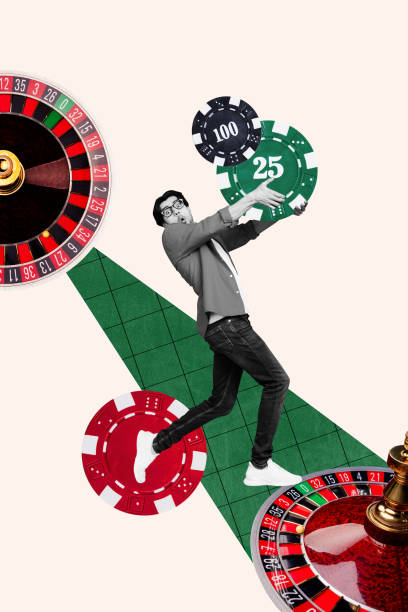
The psychological aspect of this challenge is profound. Humans have an innate desire for control, and the casino environment actively plays on this by offering the illusion of agency. Decisions like which game to play, how much to bet, or when to stop can feel like exercises of personal power. However, these decisions are made within a framework designed by the house, where statistical advantage is built into the very fabric of the games. Understanding this dynamic requires a deep dive into decision theory, risk assessment, and the human tendency towards cognitive biases like the gambler’s fallacy.
Exploring Risk, Reward, and Rationality
The act of gambling is fundamentally an exploration of risk and reward. Philosophically, it forces individuals to confront their personal tolerance for uncertainty and their valuation of potential gains against potential losses. The decision to wager is a calculated, or sometimes uncalculated, gamble on future outcomes. This process involves a complex interplay of hope, desire, and sometimes desperation, all filtered through a lens of perceived probability and personal financial capacity.
Rationality in a casino setting is a constantly tested commodity. While some may approach gambling with a purely mathematical mindset, aiming to exploit statistical edges, many are swayed by emotional factors. The thrill of a win, the sting of a loss, and the social atmosphere can all cloud judgment. The philosophical challenge here is to maintain a rational perspective in an environment designed to evoke strong emotional responses, distinguishing between calculated risks and impulsive decisions driven by immediate gratification or a desire to recoup losses.
The Nature of Entertainment and Escapism
Beyond the financial stakes, casino adventures offer a unique form of entertainment and escapism. The vibrant atmosphere, the flashing lights, and the immersive nature of games can transport individuals away from the mundane realities of everyday life. This escapism can be seen as a philosophical exploration of pleasure-seeking and the human need for diversion. However, it also raises questions about the nature of genuine fulfillment and whether such temporary diversions can substitute for deeper forms of happiness.
The philosophical debate around escapism often centers on its healthiness. Is it a harmless way to de-stress, or does it represent an avoidance of real-world problems? In the context of a casino, the allure of momentarily forgetting worries through the excitement of play can become a powerful draw. This highlights the ethical considerations of the gambling industry, which profits from providing this form of entertainment, while also needing to address the potential for addiction and its consequences.
Ethical Dimensions and Social Responsibility
The entire enterprise of casino gambling is fraught with ethical considerations. The industry’s business model relies on a portion of players consistently losing money. This leads to questions about fairness, exploitation, and the moral responsibility of operators. Philosophers debate whether it is ethical to profit from activities that, for a significant minority, can lead to devastating financial and personal ruin. The line between facilitating entertainment and enabling destructive behavior is a constant point of contention.
Furthermore, the societal impact of widespread gambling is a significant ethical concern. Governments and regulatory bodies grapple with balancing potential tax revenue and job creation against the social costs of problem gambling, including increased rates of debt, crime, and mental health issues. The philosophical challenge lies in developing frameworks that allow for responsible gaming while mitigating the harm to vulnerable individuals and communities. This requires a commitment to transparency, consumer protection, and robust support systems for those affected by addiction.
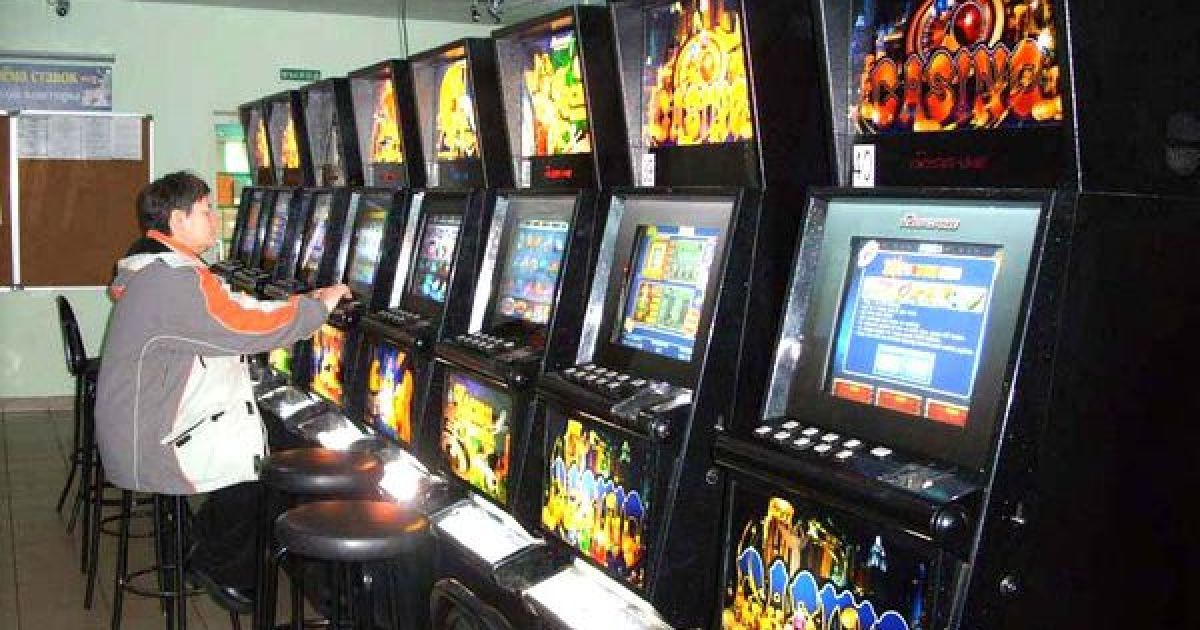
Ragnaro Casino: A Seamless Gaming Gateway
Navigating the philosophical complexities of casino adventures finds a modern manifestation in online platforms like Ragnaro Casino. Accessing your ragnaro casino login is designed to be a secure and straightforward process, allowing players to delve into a diverse array of thrilling games. The platform aims to provide a seamless and engaging gaming experience, catering to those who seek both entertainment and the potential for exciting outcomes.
Ragnaro Casino emphasizes ease of access, whether through their secure login portal or by providing information on their mobile app. This focus on user experience is crucial in the online gambling landscape, where convenience can significantly influence player engagement. By offering a well-structured and accessible platform, Ragnaro allows players to focus on the gaming itself, while implicitly engaging with the underlying philosophical themes of chance, risk, and reward in a controlled digital environment. Their commitment to providing exclusive bonuses further enhances the allure, playing into the universal desire for advantageous outcomes within the casino adventure.