

Understanding gambling addiction how to recognize the signs and seek help
What is Gambling Addiction?
Gambling addiction, often referred to as compulsive gambling or gambling disorder, is a behavioral addiction characterized by an uncontrollable urge to gamble despite the negative consequences it may bring. This condition can affect anyone, irrespective of age, gender, or socioeconomic background. Individuals suffering from gambling addiction may find themselves betting larger amounts of money, chasing losses, and experiencing emotional highs and lows associated with their gambling activities. In Australia, many visit australia online casinos, further complicating the issue of addiction.
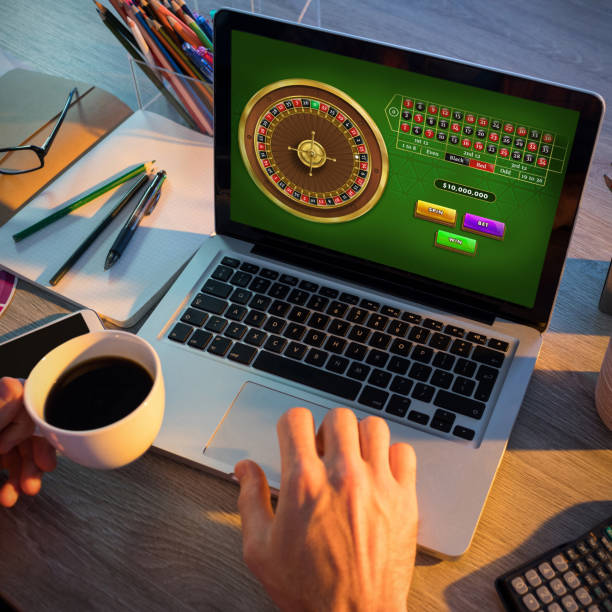
At its core, gambling addiction is driven by an overwhelming desire to win, which can create a cycle of dependency. Many gamblers find temporary relief from stress or anxiety while gambling, but this feeling is short-lived and often leads to greater financial and emotional turmoil. Understanding the nature of this addiction is the first step toward recognizing its signs and seeking appropriate help.
Recognizing the Signs of Gambling Addiction
Identifying gambling addiction can be challenging, especially since it often develops gradually. Some common signs include preoccupation with gambling, feeling restless or irritable when attempting to cut down, and lying to family members or friends about gambling activities. Additionally, those affected may resort to borrowing money or engaging in illegal activities to fund their gambling habits.
Another telling sign is the neglect of personal responsibilities or relationships. A gambler might prioritize betting over work, family commitments, or other important obligations. This deterioration in relationships often exacerbates feelings of isolation and shame, making it essential for both the individual and their loved ones to recognize these signs early on.
Common Myths and Misconceptions
There are several myths surrounding gambling addiction that can hinder understanding and treatment. One prevalent misconception is that gambling addiction only affects individuals who gamble excessively or in casinos. In reality, it can manifest through various forms, including online gaming and sports betting, making it more accessible and, consequently, more dangerous.
Another myth is the belief that individuals can quit gambling whenever they choose. This misconception undermines the serious nature of addiction and can lead to feelings of guilt or failure in those attempting to recover. Recognizing these myths is crucial for both individuals struggling with gambling addiction and their support systems to foster a more informed and compassionate approach to treatment.
How to Seek Help for Gambling Addiction
Seeking help for gambling addiction is a brave and crucial step toward recovery. Various resources are available, including therapy options like cognitive-behavioral therapy (CBT) that focus on changing harmful thought patterns and behaviors related to gambling. Support groups, such as Gamblers Anonymous, provide a safe space for individuals to share their experiences and challenges with others who understand their struggles.
Additionally, many healthcare professionals are equipped to assess and recommend treatment plans tailored to an individual’s specific needs. Whether through counseling, medication, or group support, the path to recovery may involve multiple strategies, and finding the right approach is vital for lasting change.

Your Path to Responsible Gambling
As awareness about gambling addiction grows, it is essential to promote responsible gambling practices. Many online platforms provide resources and tools aimed at helping individuals manage their gambling behavior effectively. These may include self-exclusion options, deposit limits, and access to educational materials about the risks associated with gambling.
It’s crucial to remember that enjoyment of gambling can coexist with responsibility. Understanding your limits and knowing when to seek help can create a healthier relationship with gambling. If you or someone you know is struggling, reaching out for support is an important and positive step toward recovery.